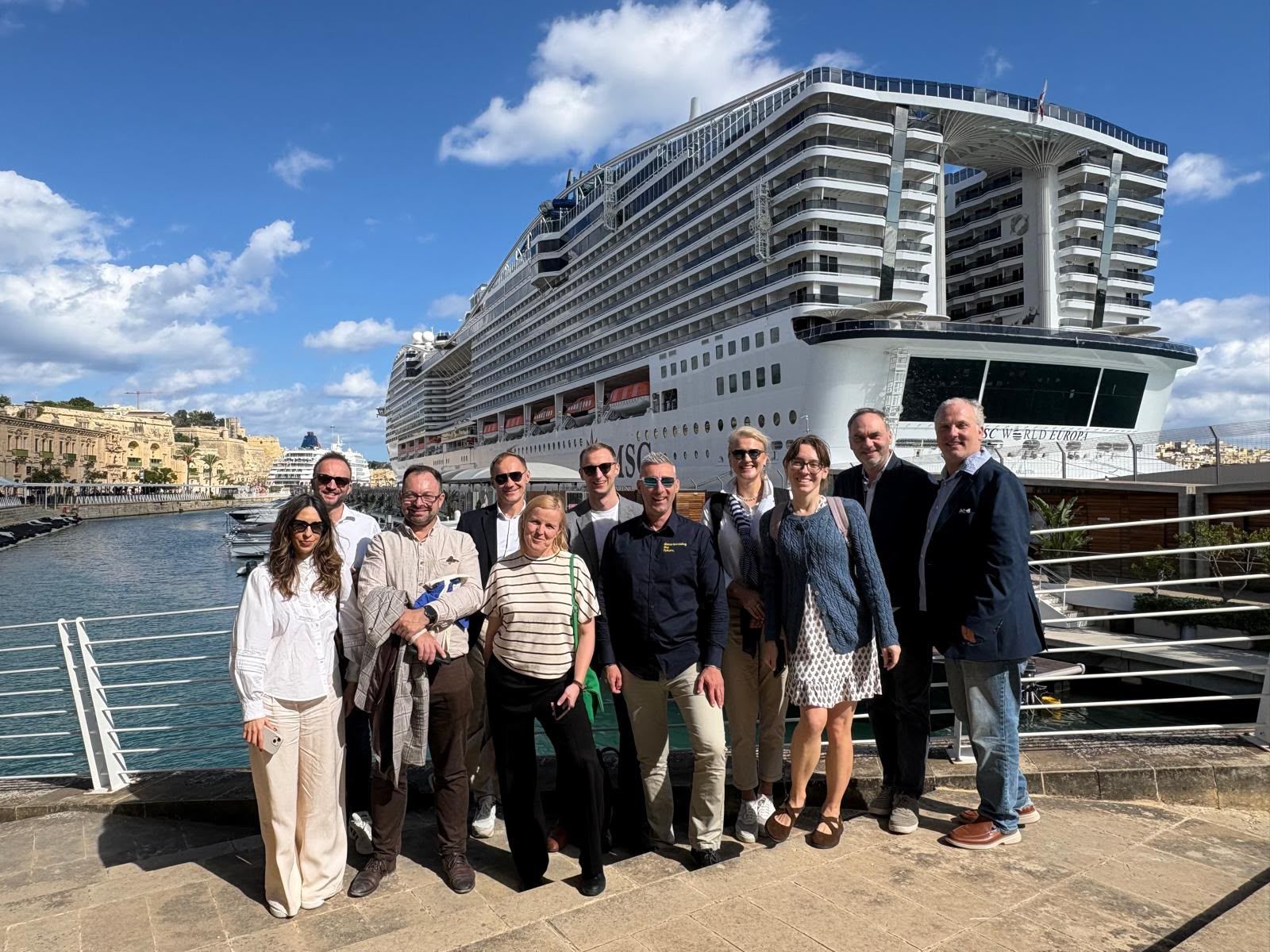
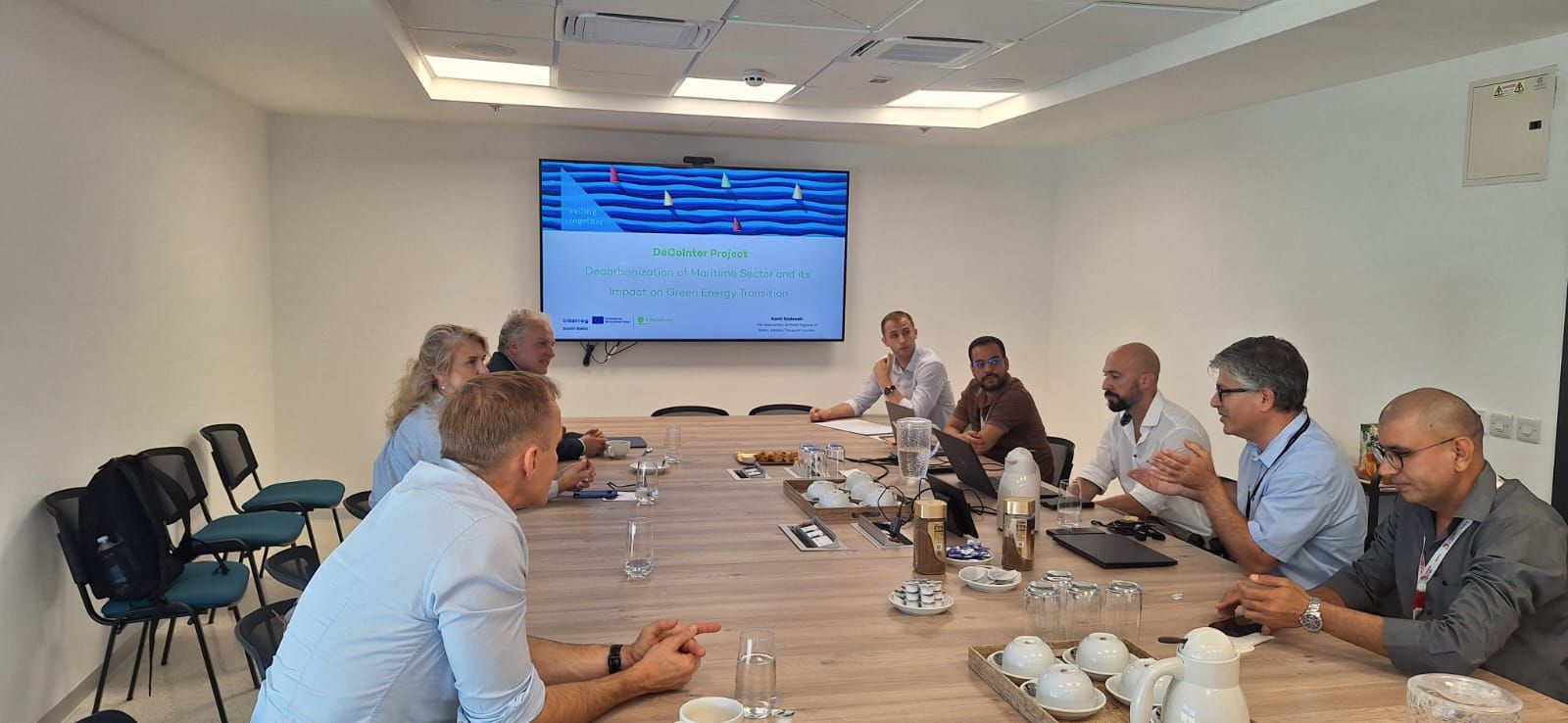
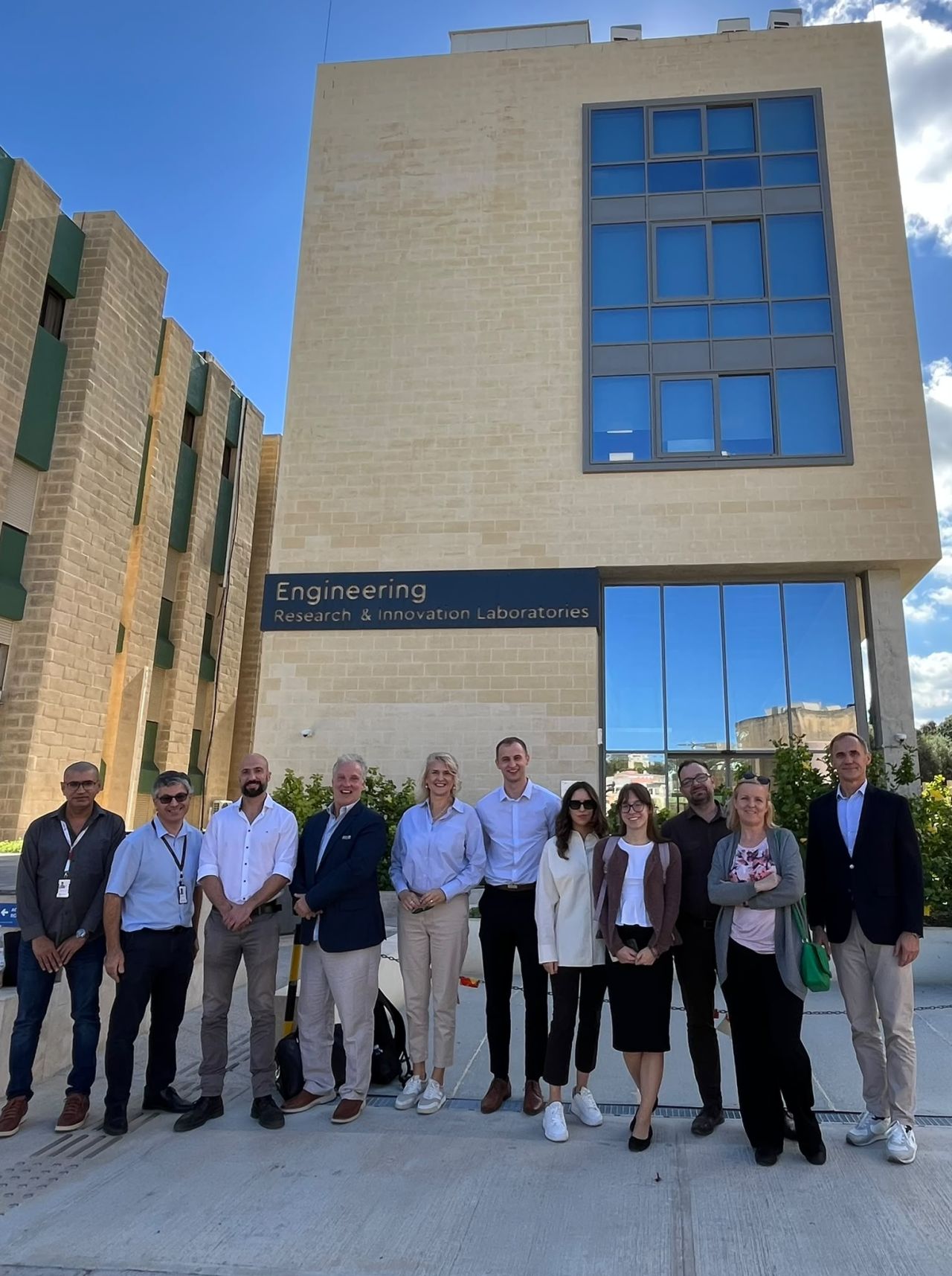
Moving towards cleaner energy in ports involves more than adopting new technologies. It also requires careful planning for future energy demand and changes to existing infrastructure. These were among the topics explored during a DeCoInter project study visit to Malta on 27–28 October. The visit was co-organised by Klaipeda Science and Technology Park (KSTP) and Szczecin and Świnoujście Seaports Authority. Klaipeda Science and Technology Park was represented by Project Manager Erika Zavackienė.
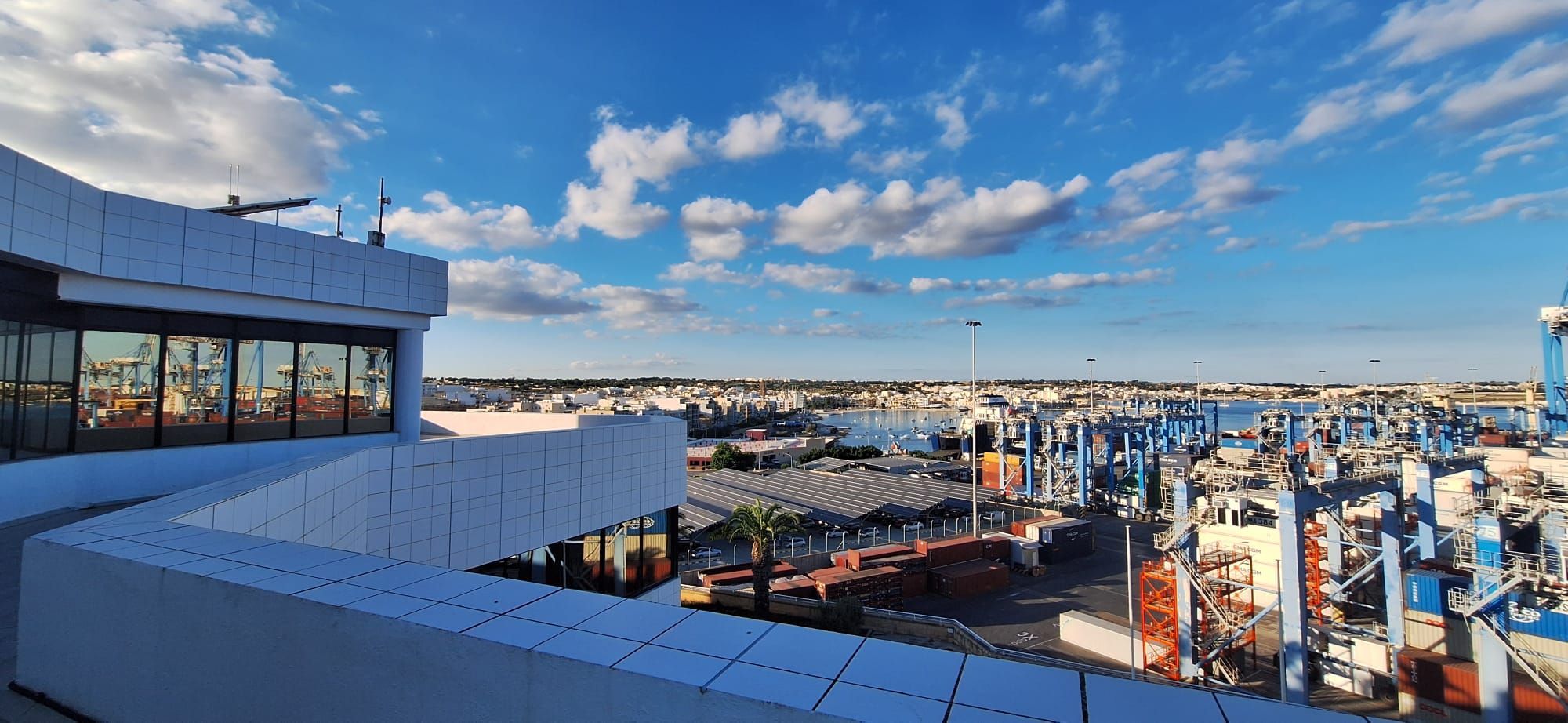
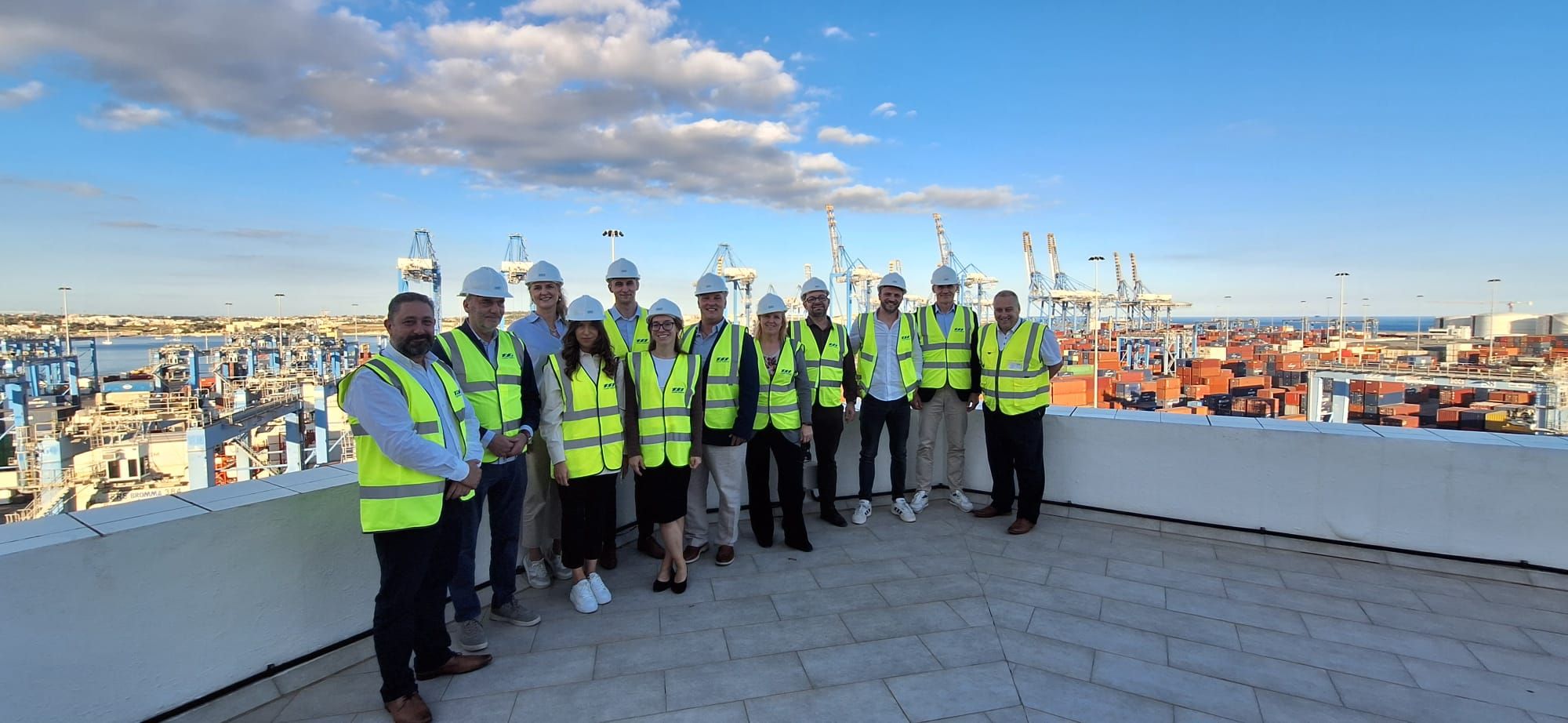
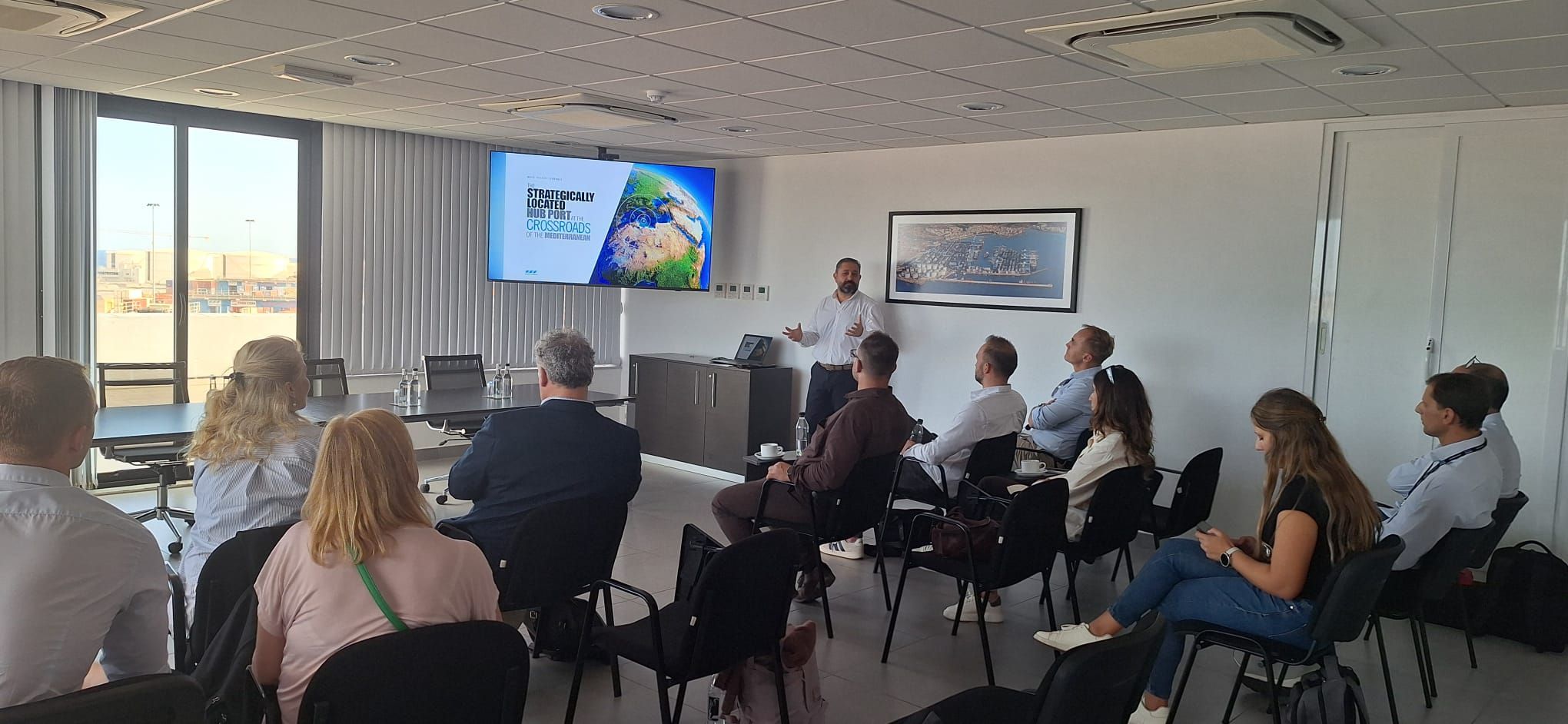
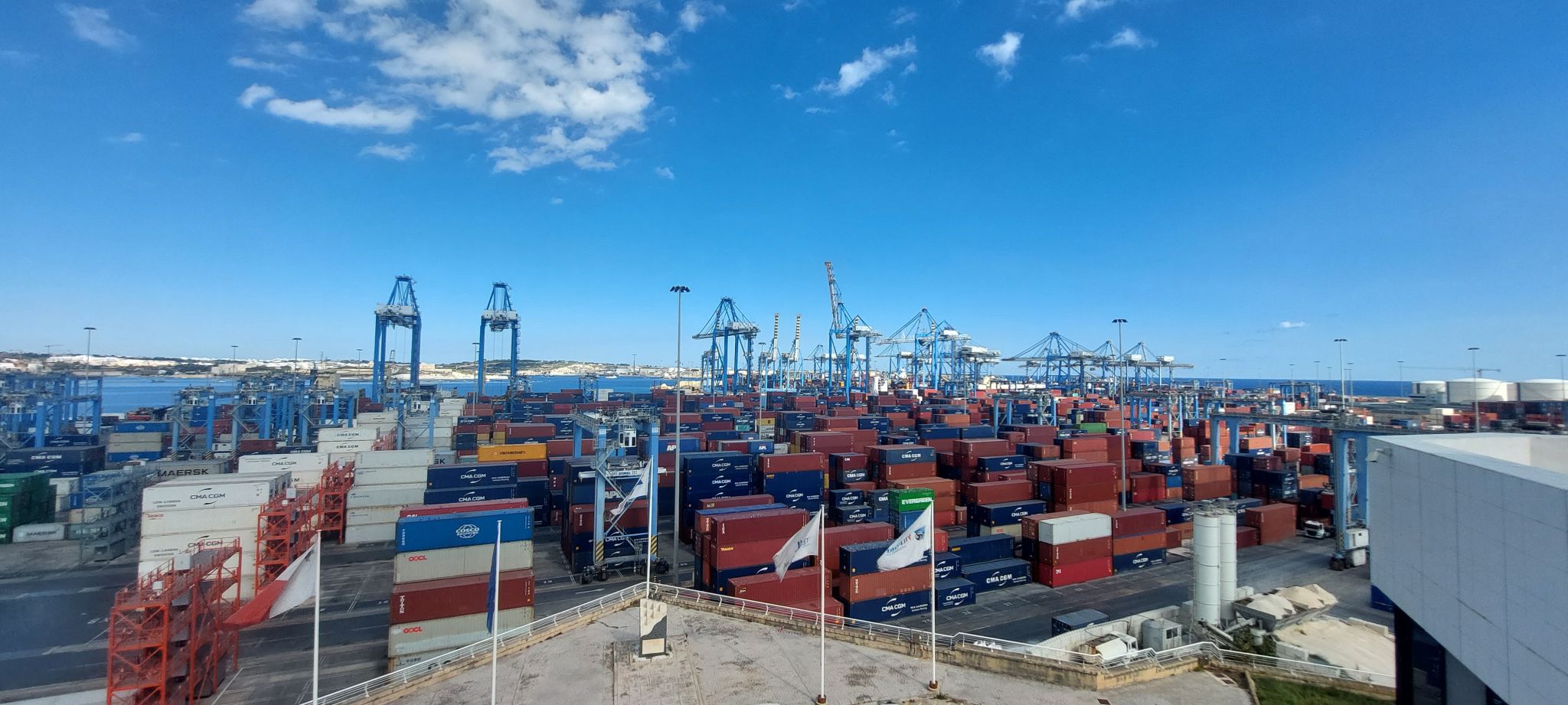
At the University of Malta, project partners learned about research into maritime electrification and smart energy systems. Particular attention was given to port microgrids, which can help manage electricity generation and consumption within port areas. The visit to Malta Freeport Terminals, one of the Mediterranean’s major container terminal complexes, focused on the practical side of the energy transition. Discussions covered plans to electrify cargo-handling equipment and the implications for future electricity demand. Partners also explored the potential of alternative marine fuels.
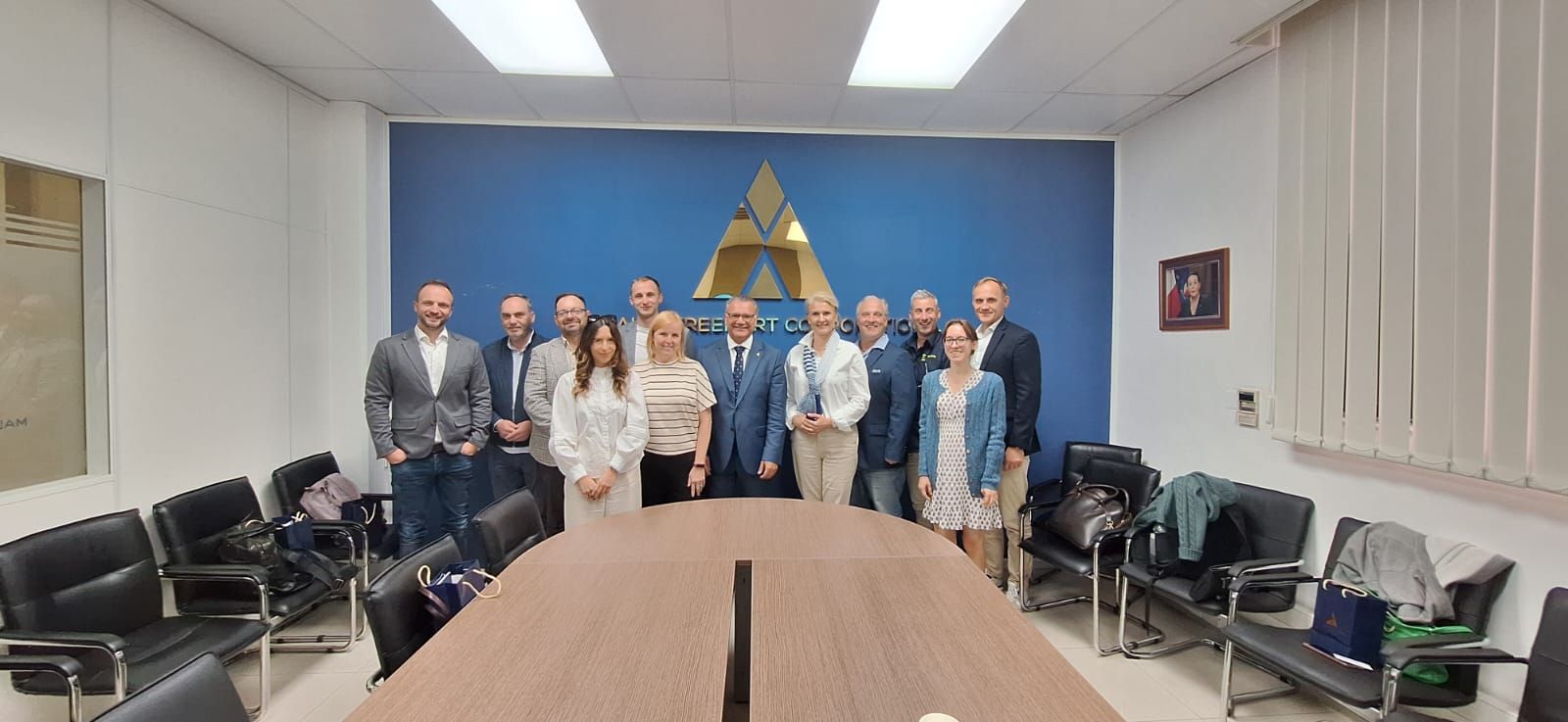
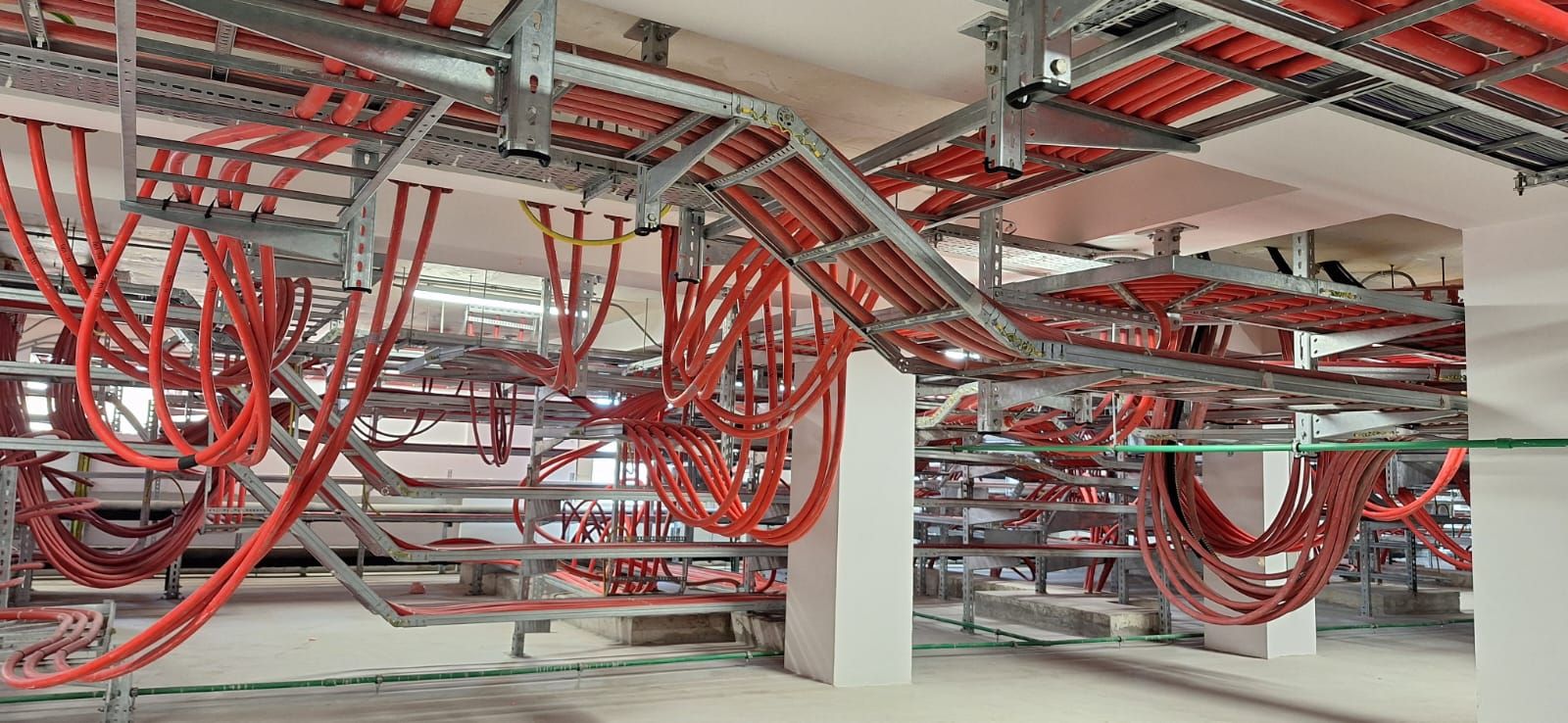
At Transport Malta, participants discussed port operations and the development of Onshore Power Supply (OPS). A subsequent technical visit to Valletta Cruise Port provided an opportunity to examine shore power infrastructure firsthand. This technology allows ships to connect to electricity from shore while berthed, reducing the need to run onboard generators and the associated emissions. The programme also included a meeting with Malta Freeport Corporation to learn about its development priorities.
For South Baltic ports, Malta’s experience offers useful examples of how electrification is being approached in practice. Understanding the infrastructure requirements and operational challenges can help ports make better-informed investment decisions. These questions are also central to DeCoInter, which is developing tools and strategies to support the transition to cleaner energy in South Baltic ports.

The DeCoInter project is co-financed by the Interreg South Baltic Programme 2021–2027 through the European Regional Development Fund.
The content of this publication is the sole responsibility of its author(s) and does not necessarily reflect the position of the European Union, the Managing Authority or the Joint Secretariat of the Interreg South Baltic Programme 2021–2027.